The snatch is the most technical lift in the sport — the bar travels from the floor to locked out overhead in one explosive movement, and it rewards precision far more than raw strength. That is exactly why it is worth learning properly from day one: bad habits built early are slow to unpick. This guide walks through the snatch from the ground up — the positions, the pull, the turnover, and a sensible order to learn them in.
Start at the finish: the overhead position
Before you pull anything from the floor, you need somewhere to catch it. The snatch is received in a full overhead squat, so that position has to be comfortable and stable first. Spend time on the overhead squat and snatch balance with an empty bar — a wide snatch grip, arms locked, and the bar balanced over the middle of the foot. If you cannot hold a stable position here, that is your first job: work on ankle, hip, thoracic and shoulder mobility before adding load.
Grip and set-up
Get your snatch grip width right, and use a hook grip from the start — the thumb trapped under the fingers. It feels strange for a week and then becomes second nature. From there, dial in your set position: shoulders over the bar, back tight and flat, head up, arms long, and the weight balanced through the middle of the foot.
The pull, phase by phase
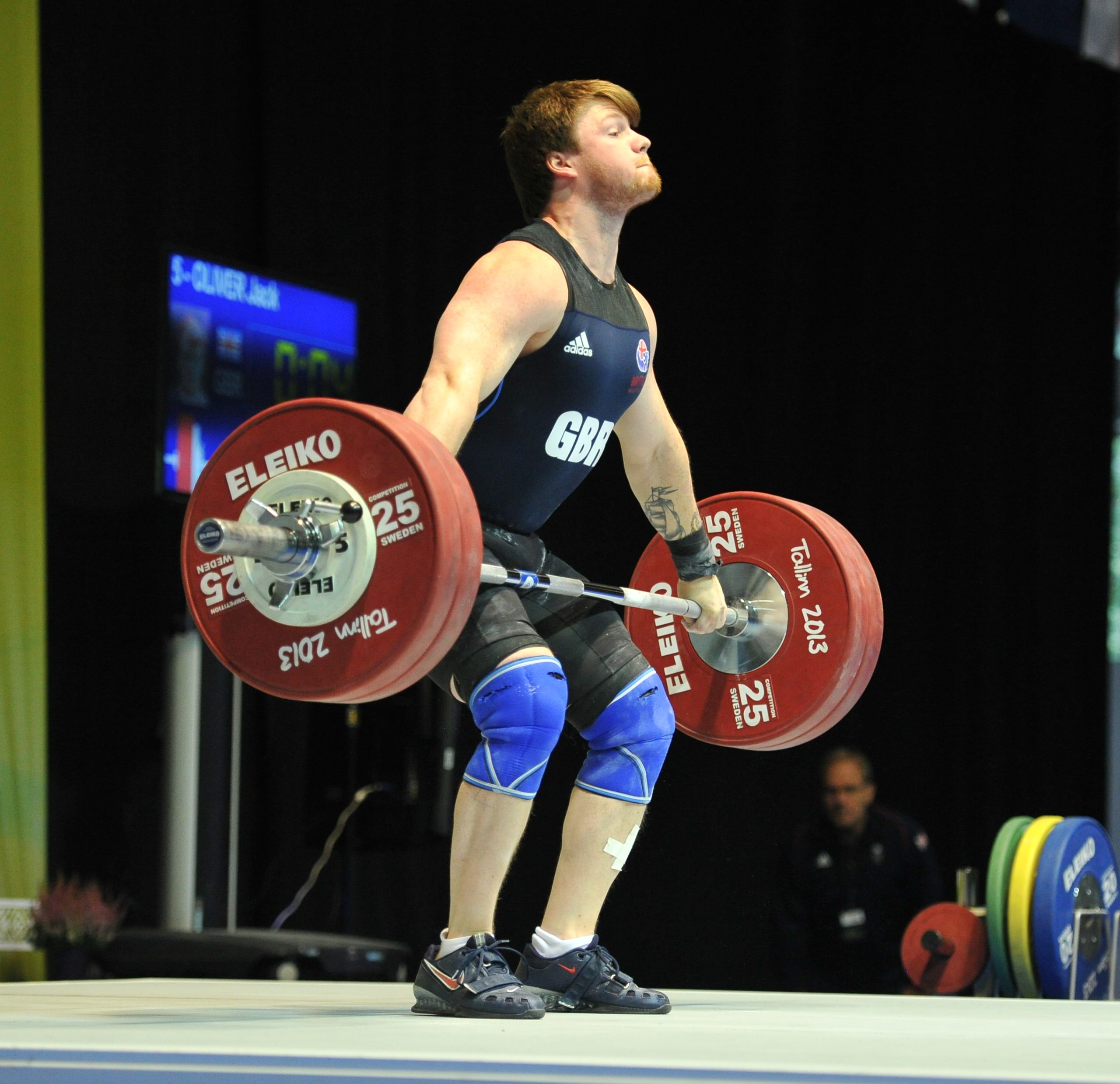
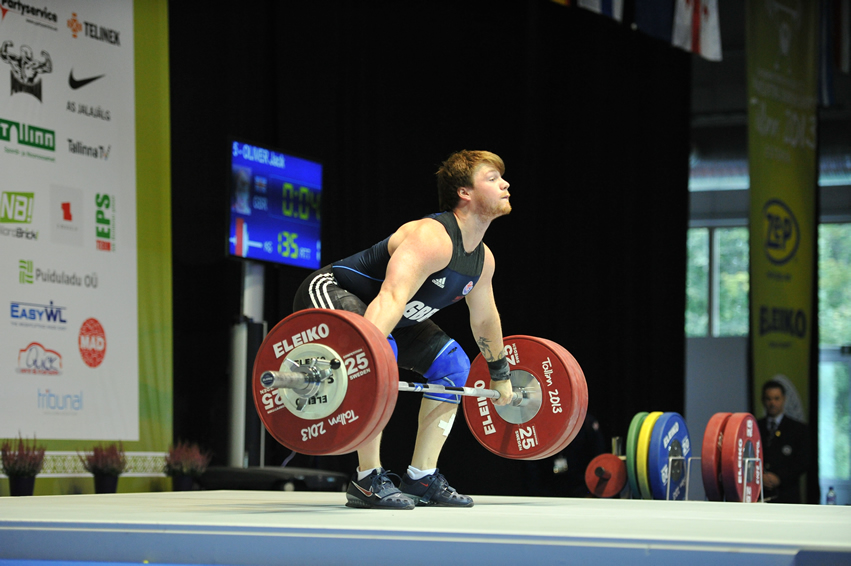
First pull (floor to knee). Drive with the legs and keep everything else patient: shoulders over the bar, back tight and flat, head up, and arms dead straight. The bar comes off the floor with the legs — not the back, and never the arms.
The transition. As the bar passes the knees, keep your shoulders over it and stay tight, shins coming to vertical. Leave a slight gap — about an inch — between the bar and your hips, ready to make contact.
Second pull — the hip drive. This is the engine of the lift. Drive your hips into the bar at high velocity, then extend fully: the shoulders shrug, the elbows lift, and the arms pull the bar up — not backwards — as you come onto your toes. Getting your hips through the bar, rather than sliding them under it, is what sends the bar high enough to get under. If the bar swings away from you, read Hip Drive vs Hip Slide.

The turnover and catch
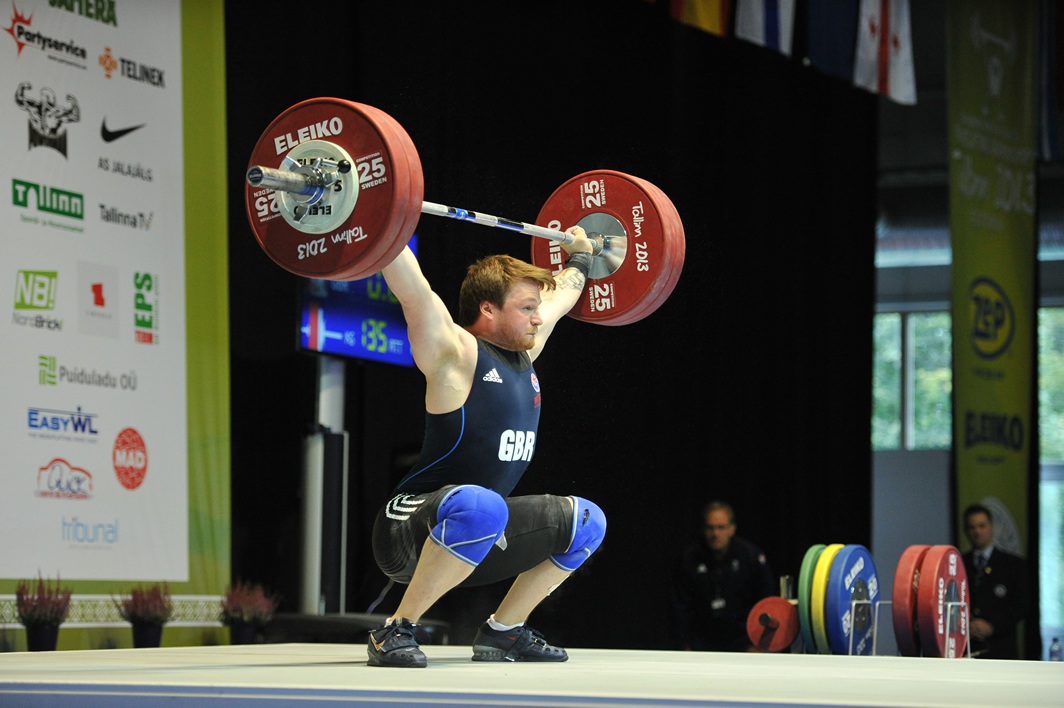
The instant the hips finish, stop trying to pull the bar higher and instead pull yourself under it. Whip the elbows around and punch the bar into a locked overhead position as you drop into the squat: head up and through the shoulders, chest up, arms locked, feet landing about shoulder-width with the toes turned slightly out. Then stand it up — feet, hips, shoulders and hands all in one line.
A sensible learning progression
Most coaches teach the snatch from the top down, adding one piece at a time. A reliable order:
- Overhead squat & snatch balance — own the receiving position and the punch under.
- Tall / hang snatch — learn the turnover and the pull under, with the hips as the driver.
- Snatch high pull — groove the finish of the pull; work at 95–105% of your best snatch. See The Snatch High Pull.
- Snatch dead pull — build pulling strength at 110–120%, controlling the bar back down (no hip drive).
- Full snatch from the floor — put it all together.
Keep the early sessions light — a broomstick or an empty bar — and treat every rep as practice, not a max-out.
Common faults
- Bending the arms early — the arms stay long until the hips have finished. If this is you, read fixing bent arms on the first pull and the second pull.
- The bar looping out in front — usually a hip slide instead of a hip drive.
- Pressing the bar out overhead instead of dropping under and catching it locked.
For more, see our 5 key pointers for the perfect snatch and the functionality of the power snatch. Above all, get eyes on your lifts — a coach, or at least a camera — and be patient. The snatch is a skill, and skills are built rep by honest rep.
Kit tip: Once you start loading the high and dead pulls, straps take your grip out of the equation so you can focus on the drive — we rate these Gymreapers straps.
Photography: Lifting Times archive — Jack Oliver, Tallinn 2013.
As an Amazon Associate, Lifting Times earns from qualifying purchases. Some gear links are affiliate links, at no extra cost to you. Learn more.